Introduction
Social media has completely changed how people in Pakistan watch entertainment and follow news. Apps like TikTok have given many creators a chance to become popular, build audiences, and grow personal brands.
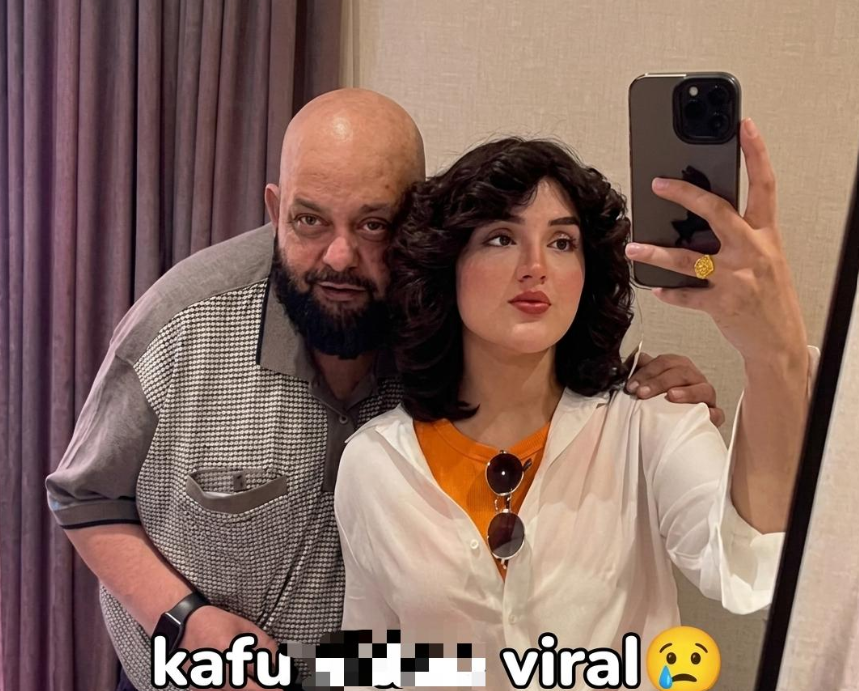
One of the creators who has recently gained attention is Kaifuw (کفوو), a TikTok personality whose name has been widely discussed online.
As with many internet figures, increased popularity also brings public attention, online debates, and sometimes controversies. In such situations, it becomes difficult to separate real information from speculation.
This article looks at the general discussion around Kaifuw’s viral controversy, how rumors spread online, and why responsible social media use is important.
TikTok’s Growing Influence in Pakistan
TikTok is now one of the most widely used social media platforms in Pakistan. Millions of users watch short videos every day, follow trends, and engage with online creators.
Because of its fast-paced nature, content on TikTok can easily go viral, sometimes reaching huge audiences within a very short time.
Why Online Controversies Spread Quickly
Online stories and controversies can spread rapidly for several reasons:
Public curiosity
People are naturally interested in the lives of popular creators, which increases engagement on trending topics.
Algorithm boost
Social media platforms promote content that gets more likes, comments, and shares. Controversial posts often receive higher engagement.
Lack of complete facts
Many viral posts are shared before full details are known, which can lead to misunderstandings.
Emotional sharing
Users often react quickly to content without checking accuracy, which helps misinformation spread further.
Truth vs Rumors Online
A major issue in today’s digital world is separating verified information from rumors.
Verified Information
This includes content that is supported by reliable evidence such as:
- Official statements
- Trusted news reports
- Confirmed updates from involved individuals
- Verifiable documents
Rumors
Rumors are unconfirmed claims that spread without proof. They may include:
- Edited screenshots
- Misleading captions
- Out-of-context clips
- Anonymous claims
- Unverified social media posts
Rumors can spread quickly, especially when users share them without checking facts.
Online Discussions Around Kaifuw
Like many influencers, Kaifuw has been part of online discussions and trending conversations.
However, viral posts and social media debates do not always confirm what is true. Often, information spreads faster than it can be verified.
For this reason, it is important to avoid jumping to conclusions based only on online trends.
Impact of Viral Controversies
Online controversies can affect individuals in several ways:
Mental stress
Constant attention and criticism can create emotional pressure for content creators.
Reputation issues
Even unverified claims can influence how the public views someone.
Career effects
Influencers may lose brand deals or opportunities due to negative publicity.
Family impact
Sometimes, family members also face unnecessary attention due to online discussions.
Responsibility of Social Media Users
Every user plays a role in shaping online behavior.
Check before sharing
Always ask if the information is confirmed and from a reliable source.
Respect privacy
Public figures still deserve personal boundaries.
Avoid harassment
Disagreements should not turn into bullying or hate.
Promote positive content
Healthy discussions help improve the online environment.
Responsibility of Influencers
Content creators also have an important role:
- Clear communication helps reduce confusion
- Professional behavior builds audience trust
- Positive influence encourages better online culture
- Calm responses to controversies help prevent misinformation spread
Importance of Media Literacy
Media literacy means understanding how online information works. It includes knowing:
- How content goes viral
- How algorithms promote posts
- How misinformation spreads
- How to verify facts properly
Better media awareness helps users avoid being misled.
Building a Better Online Environment
A safer and more responsible digital space depends on everyone, including:
- Content creators
- Viewers and followers
- Media outlets
- Brands
- Social platforms
Fact-checking, respectful communication, and responsible sharing are key to improving online culture.
Conclusion
The discussion around Kaifuw (کفوو) shows how quickly social media topics can become viral. However, viral attention does not always mean verified truth.
In today’s fast-moving digital world, it is important to think carefully before believing or sharing information. Responsible behavior online helps reduce misinformation and creates a healthier social media environment.