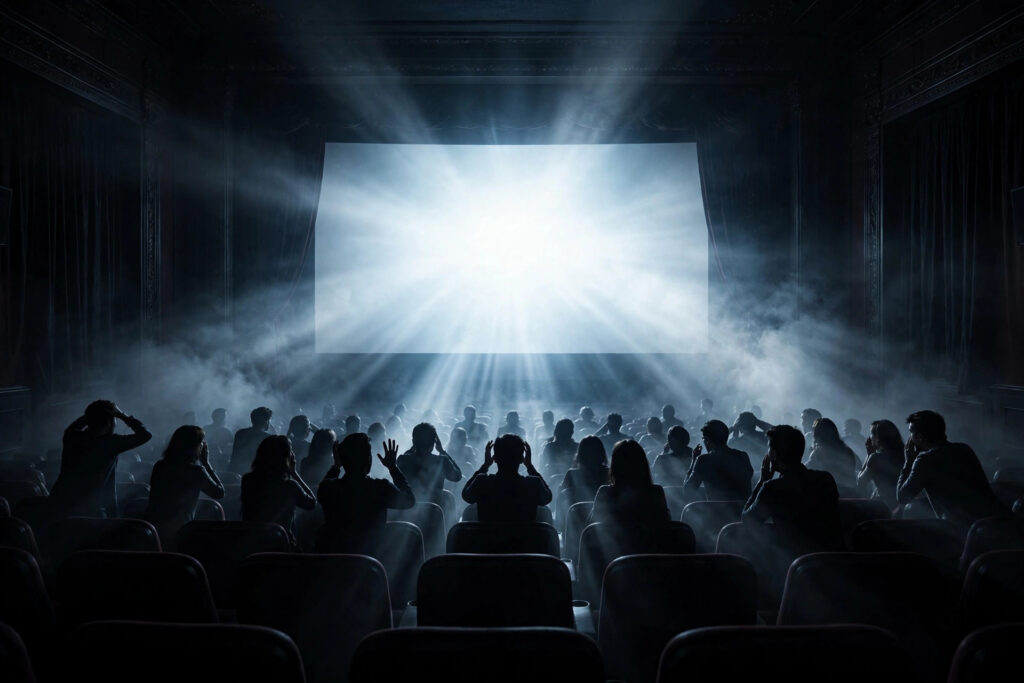
The Art of the Plot Twist — Why We Love Being Shocked
There is no feeling in storytelling quite like the gasp — that split second when everything you thought you knew flips upside down. The loyal friend was the traitor. The narrator was lying the entire time. A great plot twist doesn’t just surprise you; it rewires your memory of everything before it. But why do we love being fooled, and how do writers pull it off without cheating? Let’s open up the machinery of storytelling’s most electrifying device.
The Psychology of Surprise
Human brains are prediction machines, quietly forecasting what happens next — in conversation, in traffic, in stories. When a prediction fails, the brain fires off attention and a hit of dopamine, the same reward chemistry behind laughter. Surprise is neurologically pleasurable.
Twists exploit this wiring beautifully: a story lulls you into confident predictions, then shatters them. That shattering feels good for several reasons:
- It rewards attention. Catching a twist (or realizing you missed the clues) makes you feel like an active participant rather than a passive viewer.
- It creates instant memory. Psychologists have found that surprising information sticks in memory far better than the predictable. The twist is the part you remember years later.
- It delivers social currency. Knowing the twist first — and watching a friend’s face when they learn it — is one of entertainment’s great shared pleasures.
- It flatters the audience. A well-built twist says: you were smart enough to follow the clues, but the writer was one step ahead. Losing a fair game is fun.
This is why twist-heavy stories inspire such passionate fandoms. The surprise isn’t just a moment; it’s a bond between storyteller and audience.
How Writers Plant a Great Twist
A plot twist looks like magic, but it’s engineering. Writers hide the truth in plain sight with a toolkit designed to keep the audience blind — until the reveal, when everything suddenly seems obvious.
Foreshadowing. The best twists are seeded early with innocent-looking details: a throwaway line, a strange reaction, an object in the background. On first viewing they slide past; on the second, they glow. It’s the writer’s promise: the answer was here all along.
Red herrings. Named for the old trick of dragging a smoked fish across a trail to confuse hunting dogs, these are clues pointing confidently in the wrong direction — a suspicious character guilty of something, just not the thing that matters. They give the audience’s suspicion somewhere else to live, making the real twist harder to spot.
Misdirection of attention. Magicians call it misdirection; writers call it structure. By making one storyline loud and urgent, the writer quietly advances the real story in the background. The audience, like the magician’s spectator, watches the wrong hand.
Restricted perspective. Many twists work by controlling what the audience is allowed to know. A story told from one character’s limited viewpoint can hide enormous truths simply by never showing them. When the perspective finally widens, the hidden pieces snap into place.
The Golden Rule: Fair Play
Twist writers live by one sacred rule: the twist must be surprising but inevitable. Surprising, because the audience didn’t see it coming. Inevitable, because once revealed, it must feel like the only possible answer. A twist that comes from nowhere — a character suddenly revealed as the villain with no prior clues — doesn’t delight; it annoys. Audiences can smell a cheat, and nothing kills trust faster.
This is why the best twists reward rewatches: the second time through, every clue is visible and the viewer gets the pleasure of watching a trap being built that they walked straight into. A twist that works once is a trick; one that works twice is craft.
The Classic Twist Types
Across a century of stories, certain twist shapes have proven immortal — writers keep reinventing them because the psychology never gets old:
- The hidden identity. A character is not who they claim to be — the ally is the enemy, the stranger is family, the nobody is the mastermind. This twist works because identity is the foundation of trust, and pulling it out collapses everything built on top.
- The unreliable narrator. The person telling the story has been lying — to the audience, to themselves, or both. When the narration cracks, the entire story has to be reassembled from the pieces.
- The “dead” all along. A character the audience believed was alive — or believed was dead — turns out to be the opposite. Few reveals reframe a story more completely.
- The villain was the hero. The story’s moral compass spins: the supposed villain was protecting everyone, or the hero’s crusade was the real evil. This twist forces the audience to question their own judgments, not just the plot.
- The time trick. Events assumed to be happening in one order were actually happening in another — past and present interwoven, or the ending revealed as the beginning. Scrambling time feels like the floor dropping out.
- The dream or illusion. The story’s reality was a dream, a simulation, a delusion. Risky — done badly, it feels like a cheat — but done well, it asks haunting questions about what’s real.
- The double cross. The plan within the plan: a betrayal that was itself part of a deeper scheme. Heist stories and spy thrillers run on this twist the way engines run on fuel.
Notice what these all share: each one doesn’t just change what happens next — it changes what already happened. That’s the true power of the twist. It doesn’t add a chapter; it rewrites the book.
How Spoilers Changed the Game
For most of storytelling history, twists were safe. You experienced a story in order, at the pace the storyteller set, and the surprise landed as designed. Then came the internet — and the twist entered the most dangerous era in its history.
The spoiler minefield. Today a major twist can be ruined within hours by a careless post, a thumbnail, or a headline. Fans navigate release weeks like minefields, muting keywords and avoiding social media. Studios respond with secrecy campaigns, misleading trailers, and cast interviews begging audiences not to spoil the surprise.
The paradox of spoilers. Strangely, research has repeatedly found that knowing the twist in advance doesn’t necessarily ruin enjoyment — and can increase it. Freed from the anxiety of not knowing, audiences notice the craftsmanship instead. The twist becomes less about shock, more about appreciation.
Twist-proof storytelling. Some modern writers have adapted by building stories that don’t depend on a single secret. Instead of one massive reveal, they layer smaller surprises throughout, or they make the journey — not the destination — the point. If the audience knows the twist and still can’t look away, the story is bulletproof.
The communal gasp. Spoiler culture also created something new: the synchronized global reaction. When millions experience a twist within the same weekend, the collective gasp becomes a cultural event — memes, reaction videos, endless debate. The twist is no longer just a story device; it’s a shared ritual.
Why Twists Keep Working
In an age of infinite content, the plot twist should be obsolete — audiences have seen every trick. And yet twists keep landing, going viral, and defining the stories we discuss for years.
Part of the reason is that twists tap into something deeper than novelty: the love of puzzles. Humans are pattern-seeking creatures, and a mystery with a hidden answer is irresistible. The twist is the moment the pattern snaps into focus, and that click of comprehension is one of the purest pleasures the mind offers.
There’s also the social dimension. Twists are designed to be discussed — argued over, theorized about, rewatched for clues. In a fragmented media landscape, a great twist is one of the few things that can still make millions of people pay attention to the same story at the same time.
And finally, twists endure because they mirror life. Real life is full of reveals: the friend who wasn’t who you thought, the story that looks different in hindsight, the moment everything clicks. Stories with twists feel true not because they’re realistic, but because the experience of being surprised by reality is universal.
The Twist You’ll Never Forget
The best plot twists do something remarkable: they make you distrust your own certainty, just a little, even after the story ends. You replay scenes in your head, marveling at how thoroughly you were fooled — and loving the storyteller for it.
That’s the art of the twist. Not the shock itself, but the craftsmanship behind it: the hidden clues, the fair play, the perfect timing. Writers will keep planting surprises, and audiences will keep walking into them with open eyes and total confidence — right up until the moment the floor drops out. And we’ll love every second of it.