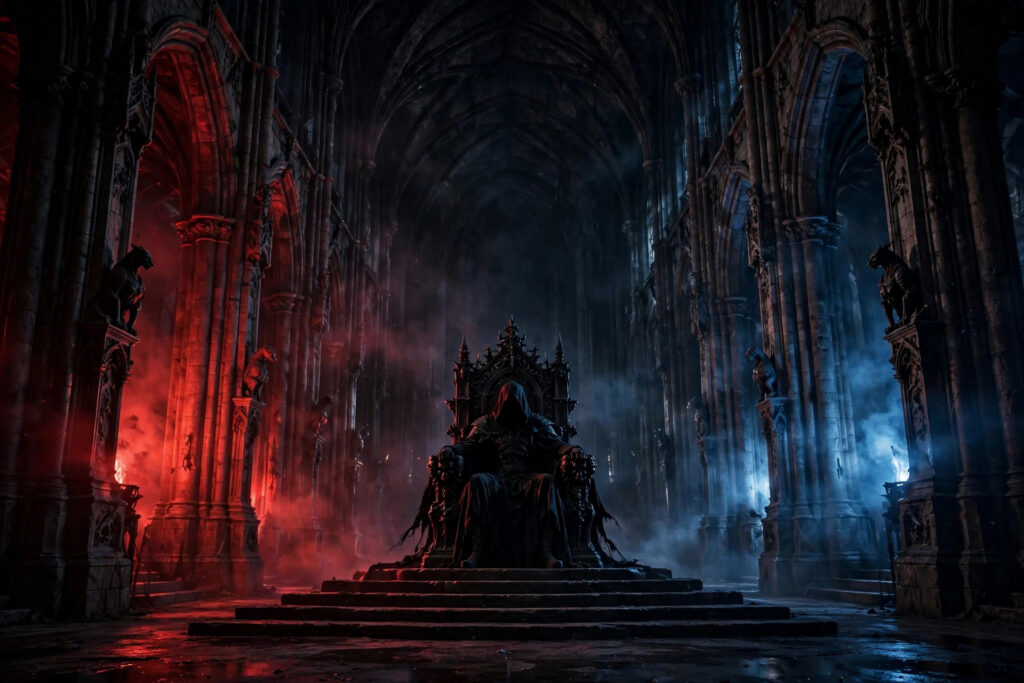
Movie Villains: Why We Love to Hate Them
Ask any movie fan to name their favorite character, and don’t be surprised if the answer is the bad guy. The cackling mastermind, the terrifying monster, the villain with the tragic past — these are often the roles audiences remember longest and quote most fondly. Heroes come and go, but a truly great villain is immortal.
Why is that? Why do we cheer when the villain delivers a perfectly wicked line, rewatch their scenes again and again, and sometimes even root for them a little? The love affair between audiences and movie villains runs deep, and it reveals something fascinating about how we watch films — and about ourselves.
The Psychology: Why We’re Drawn to the Dark Side
Part of the appeal is simple freedom. Heroes are bound by rules — morality, responsibility, the expectations of everyone around them. Villains answer to no one. They say what they want, take what they want, and live entirely on their own terms. Watching them is thrilling because, in a small way, we get to experience that freedom ourselves without any of the consequences.
There’s also something deeply satisfying about certainty. Real life is full of gray areas and difficult compromises, but a great villain is gloriously, unapologetically sure of themselves. They know exactly what they want and exactly how to get it. That confidence is magnetic — even when it’s directed at something terrible.
Psychologists point to another factor: safe exploration. Movies let us visit the darkest corners of human nature from the safety of a theater seat. We can be fascinated by cruelty, ambition, and chaos without endorsing any of it. The villain becomes a tour guide through emotions we’d never act on — rage, revenge, pure selfishness — and the journey is cathartic.
And let’s be honest: villains are often just more fun. Heroes can be noble, but nobility can be boring. Villains get the best lines, the most dramatic entrances, and the most memorable moments. Writers know this, and the best of them pour their creativity into the character audiences are secretly waiting for.
The Great Villain Archetypes
Not all villains are created equal. Over decades of cinema, certain types have emerged again and again — archetypes so powerful that every generation reinvents them.
The Mastermind
The mastermind is always three steps ahead. Calm, brilliant, and terrifyingly patient, this villain treats their evil plan like a chess game — and everyone else is a piece on the board. What makes the mastermind so compelling is intelligence. We respect cleverness, even when it’s turned toward terrible ends. The best masterminds don’t just threaten the hero; they make the audience wonder whether the hero is smart enough to win.
The Monster
Some villains aren’t people at all — they’re forces of nature. The monster is pure, unstoppable menace: a creature, a killer, or an entity that cannot be reasoned with, bargained with, or understood. The terror of the monster lies in its simplicity. There’s no motive to unravel, no tragic backstory to sympathize with — just survival. These villains tap into our most primal fears, and they’re unforgettable precisely because they feel inhuman.
The Sympathetic Villain
Then there’s the villain who breaks your heart. The sympathetic villain was once good — or at least understandable. They’ve been wronged, betrayed, or broken by a cruel world, and their villainy is born from pain. We hate what they do, but we understand why they do it. This is often the most powerful type of villain because it blurs the line between hero and villain. When a sympathetic villain falls, part of us mourns them. These are the villains that spark endless debates: were they really evil, or just a victim who went too far?
The Agent of Chaos
The agent of chaos doesn’t want money, power, or revenge — they want to watch the world burn. This villain is unpredictable, theatrical, and utterly free from the rules everyone else lives by. What makes them terrifying is that you can’t negotiate with someone who wants nothing. Heroes know how to fight ambition and greed; chaos is much harder to defeat. These villains often steal entire movies with their energy, becoming cultural icons in the process.
The Mirror
The mirror is the villain who reflects the hero. Same abilities, same background, same wounds — but they made the opposite choice. This villain forces an uncomfortable question: what separates the hero from the monster? Usually the answer is one decision, one moment, one small difference in character. The mirror villain makes the hero’s victory feel fragile and earned, because the audience can see how easily the roles could be reversed.
What Makes a Villain Truly Great
Great villains share a few essential qualities, regardless of archetype.
A clear motivation. The best villains want something specific, and they want it badly. Whether it’s world domination or simple revenge, a strong goal makes a villain feel real and dangerous. The audience should understand what drives them, even if they’d never share it.
Competence. Nothing kills a villain faster than incompetence. A villain who constantly fails isn’t scary — they’re comic relief. Great villains are good at what they do. They challenge the hero, force them to grow, and make victory feel uncertain. The more capable the villain, the more meaningful the hero’s triumph.
Presence. Some villains simply command the screen — sometimes a quiet conversation or a single look is more menacing than any explosion. Presence is that indefinable quality that makes the audience lean forward whenever the villain appears.
A memorable voice. From iconic lines to distinctive speech patterns, the way a villain talks often defines them. The best villain dialogue gets quoted for decades. Writers save their sharpest, most quotable writing for the bad guy, and audiences reward them by never forgetting it.
Humanity — even a little. The most terrifying villains are rarely pure evil. A glimpse of love, humor, fear, or regret makes a villain feel real, and real is scarier than a cartoon monster. Even the darkest villains often have one human trait that makes them relatable — and that relatability is exactly what makes them haunting.
Great Villains Make Great Heroes
Here’s a secret of storytelling: a hero is only as good as their villain. Without a worthy adversary, a hero is just a strong person in a cape. The villain defines the hero by testing them — pushing them to their limits, forcing impossible choices, and revealing who they truly are under pressure.
Think about it: the most beloved heroes in cinema history are remembered largely because of the villains they faced. The hero’s courage means nothing without something genuinely frightening to be courageous against. The hero’s sacrifice means nothing without a threat worth sacrificing for. Villains give heroes their meaning.
This is why the greatest movie rivalries feel so personal. The hero and villain are often two sides of the same coin — shaped by similar forces, divided by a single choice. Their conflict isn’t just physical; it’s philosophical. The villain represents everything the hero could become, and defeating them is also a victory over the hero’s own darkness.
Why Villains Steal the Show
There’s a reason villains dominate the cultural conversation long after a film’s release. Their costumes become Halloween staples. Their lines become memes and catchphrases. Their actors win awards and become legends. Meanwhile, the hero — noble, brave, and ultimately victorious — fades a little into the background.
Part of this is dramatic freedom. Heroes must be likable, moral, and ultimately successful. Villains have no such constraints. They can be funny, strange, theatrical, contradictory — fully, messily human in ways heroes rarely get to be. That richness makes them endlessly rewatchable.
There’s also the power of the performance. Playing a villain is often the role actors dream about — it’s where they get to be bold, transformative, and unforgettable. Some of the most celebrated performances in film history are villains, and it’s no coincidence. The role invites greatness.
The Villain’s Legacy
Movie villains endure because they tell us something true. Every great villain is a warning, a mirror, or a question. They show us what ambition looks like without conscience, what pain looks like without healing, what power looks like without restraint. They’re exaggerated, theatrical, larger than life — but they’re built from real human material.
And perhaps that’s the deepest reason we love to hate them. In the villain, we see the shadow side of ourselves — the anger we’d never express, the selfishness we’d never admit, the chaos we’d never unleash. The movie villain lets us confront those shadows safely, in the dark, for two hours. We walk out of the theater relieved to be ourselves again — but we never forget the character who showed us what we might have been.
So the next time you find yourself quoting the villain instead of the hero, don’t feel guilty. You’re not alone. The best movies have always known the truth: every great story needs a great hero — but it’s the villain who makes it unforgettable.